Every order through Weedmaps is a customer you don't own, a Google ranking that goes to their domain, and a monthly fee that builds their platform. Here's what owning your storefront actually looks like.
Every order that flows through Weedmaps is a customer you’ll never fully own. Their email address, their purchase history, their repeat business — all of it belongs to the platform, not to you. You are not building a customer base. You are building Weedmaps’ customer base, and paying a monthly fee for the privilege.
This is the core problem with listing-based cannabis marketplaces. The more successful you become on them, the more dependent you become on them. Weedmaps is the dominant player — with massive organic reach, millions of monthly users, and a recognizable brand. But for an independent cannabis delivery operator, that dominance works against you.
DabDash is built on a different premise entirely: your storefront lives on your subdomain, your products are indexed by Google under your brand, and every customer who orders belongs to you. There is no listing tax, no bidding war, and no risk of a competitor appearing on your page. Let’s break down exactly what that difference means in practice.
1. What You’re Actually Paying for on Weedmaps
Weedmaps uses a tiered subscription model. A basic listing — enough to show your name, address, and hours — is free. But the moment you want a product menu, customer reviews, and any meaningful visibility, you’re into monthly fees that start around $300–$500 per month at the entry level.
That’s just the floor. In competitive cannabis markets, premium placements at the top of search results within the platform are sold through a competitive bidding process. Dispensaries in major metros routinely spend $5,000 to $30,000 per month on Weedmaps to hold a featured position. In high-density markets like Los Angeles or the Bay Area, top-of-page listings have been reported at over $80,000 per month.
Here is the critical detail: the moment you stop paying, you stop appearing. There is no residual value. You are not building equity. You are renting visibility, and the lease renews every thirty days.
Basic listing: Free (name, address, hours only)
Standard tier with menu: ~$300–$500/month
Featured / promoted placement: $5,000–$30,000+/month
Top competitive markets: Reports of $80,000+/month for top position
DabDash: One flat subscription — your full storefront, no bidding, no upsells
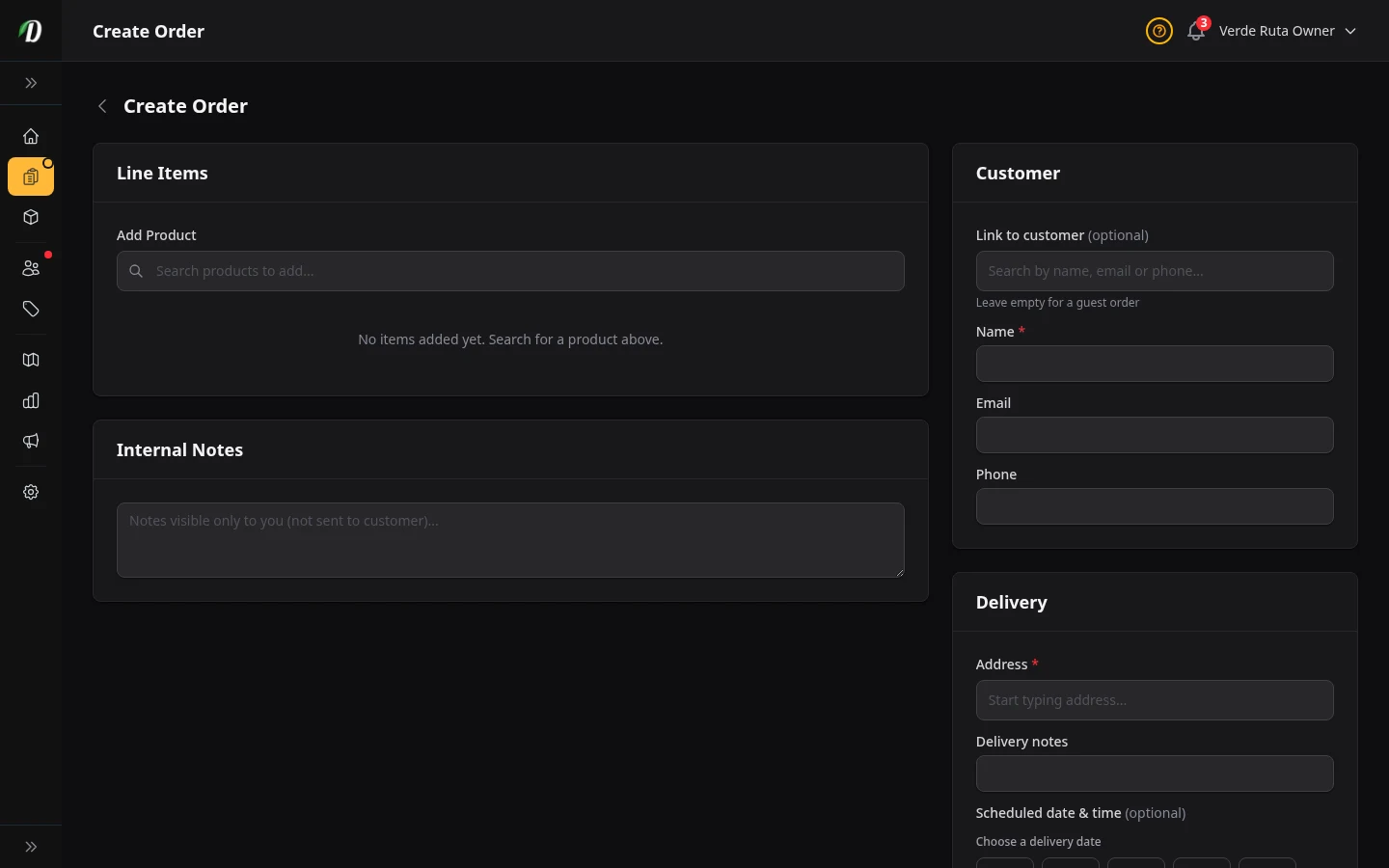
On DabDash, every order comes with full customer context — name, address, order history — all visible to you, all yours to keep. No marketplace taking a cut of the relationship.
2. The Customer Data Problem Nobody Talks About
When a customer discovers your shop on Weedmaps and places an order, who owns that relationship?
Weedmaps does. The platform collects the customer’s browsing behaviour, purchase intent, and order data. Dispensaries are granted access to aggregate analytics — traffic numbers, impressions, click-through rates — but the raw customer data belongs to Weedmaps. You cannot export your Weedmaps customers into an email list. You cannot build a loyalty programme around customers who came through the platform. You cannot run a re-engagement campaign when a regular stops ordering.
Beyond that, Weedmaps’ own terms give them a worldwide, royalty-free, perpetual licence to use, modify, and prepare derivative works from user-generated content on the platform, with Weedmaps exclusively owning any derivative works. The customers who review your shop are, legally speaking, contributing to Weedmaps’ intellectual property.
With DabDash, every customer who orders from your store is your customer. Their email, order history, and contact details are stored in your vendor dashboard. You can see exactly who your repeat buyers are, which products they prefer, and when they last ordered. That information does not leave your account, and it does not enrich a competing platform.
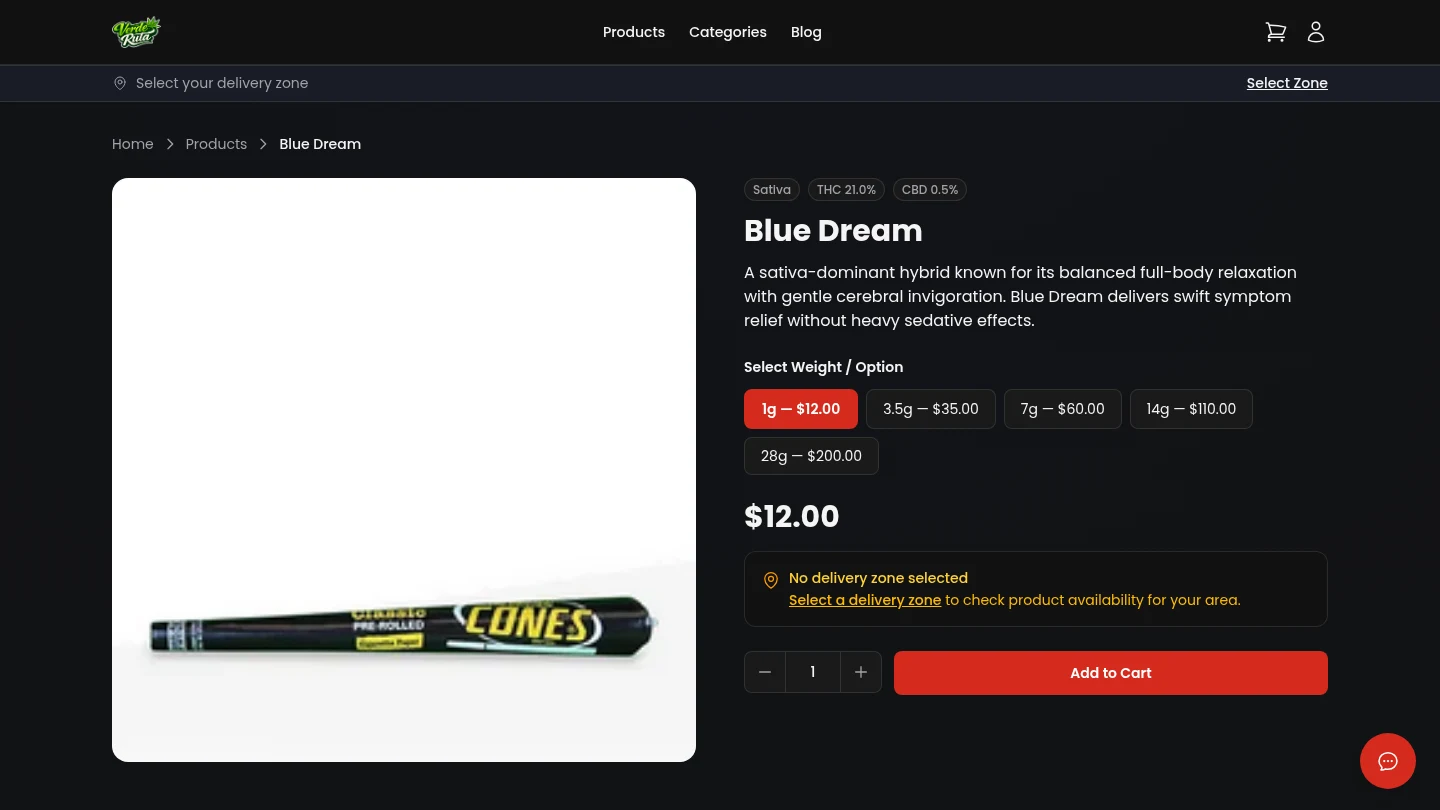
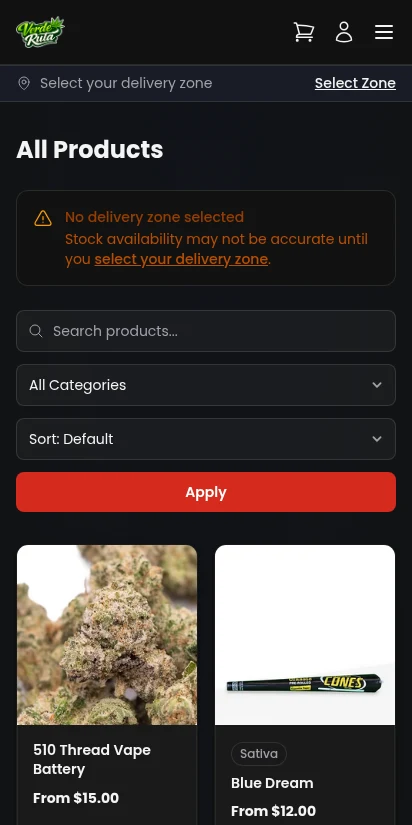
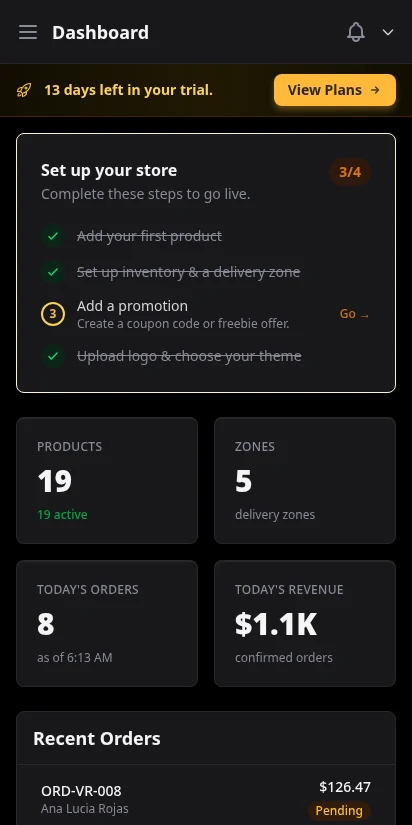
Dark mode — your menu, your brand. No other shops, no sponsored competitor placements, no distractions.
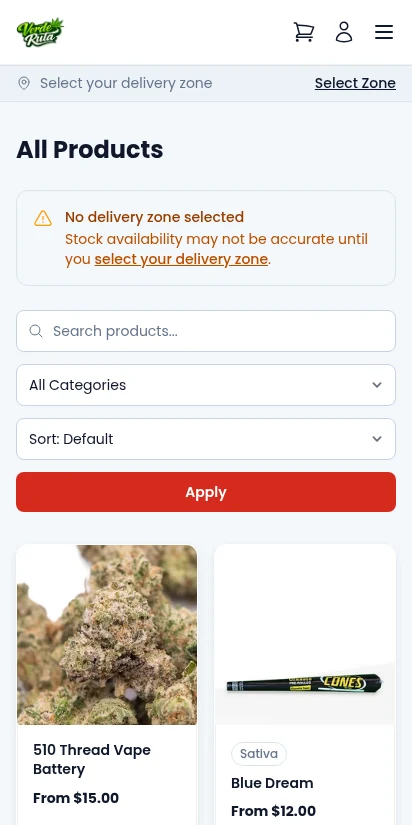
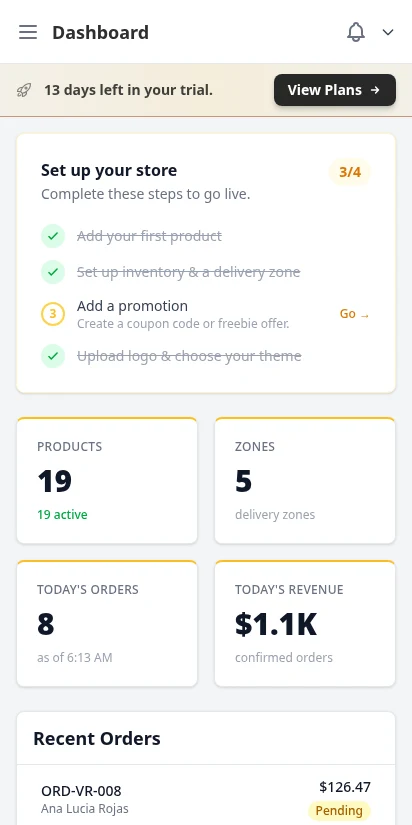
Light mode — customers see only your products under your brand, every single visit.
3. You Are Paying to Rank Inside Someone Else’s Website
Here is the SEO reality most dispensaries discover too late: when you list your products on Weedmaps, any search authority those listings generate goes to weedmaps.com — not to your domain.
Google crawls Weedmaps and indexes Weedmaps’ pages. When a customer searches “weed delivery near me” or “Blue Dream delivery [your city],” the result that ranks is a Weedmaps page. Your name might appear on that page, but the domain authority, the backlinks, and the click-through value all accumulate for Weedmaps. You are contributing content and paying fees that help Weedmaps outrank your own website.
Many dispensaries also embed their Weedmaps menu directly into their own websites using an iframe. This makes the problem worse. Google cannot read content inside an iframe, so every product description, strain name, and price you’ve carefully written is invisible to search engines when served through that embed. Your own domain earns zero SEO credit for it.
DabDash generates a fully server-rendered storefront on your subdomain. Every product page has a unique URL, a crawlable title and description, and structured data that Google can read and index. When someone in your delivery area searches for a specific product, that search can lead directly to your store — not to a Weedmaps page that lists you alongside six competitors.
Every DabDash product page lives on your subdomain with a real URL, structured data, and full SEO controls. Google indexes it as your content — not Weedmaps’ content.
4. The Visibility That Disappears When You Stop Paying
There is an easy test for whether a marketing investment is building your business or just renting you attention: what happens the day you stop paying?
With Weedmaps, the answer is immediate and complete. Your listing drops from prominent placement. Your product menu loses visibility. The customers who discovered you through the platform have no direct way to reach you unless you have already given them a reason to bookmark your own site. Years of spend, thousands of orders processed through the platform, hundreds of reviews accumulated — none of it translates into a lasting asset you control.
With DabDash, your storefront and all its SEO history live on your subdomain. If you ever change platforms, the Google authority you have built, the customer data you have collected, and the brand recognition you have earned all stay with you. Your investment compounds rather than evaporates.
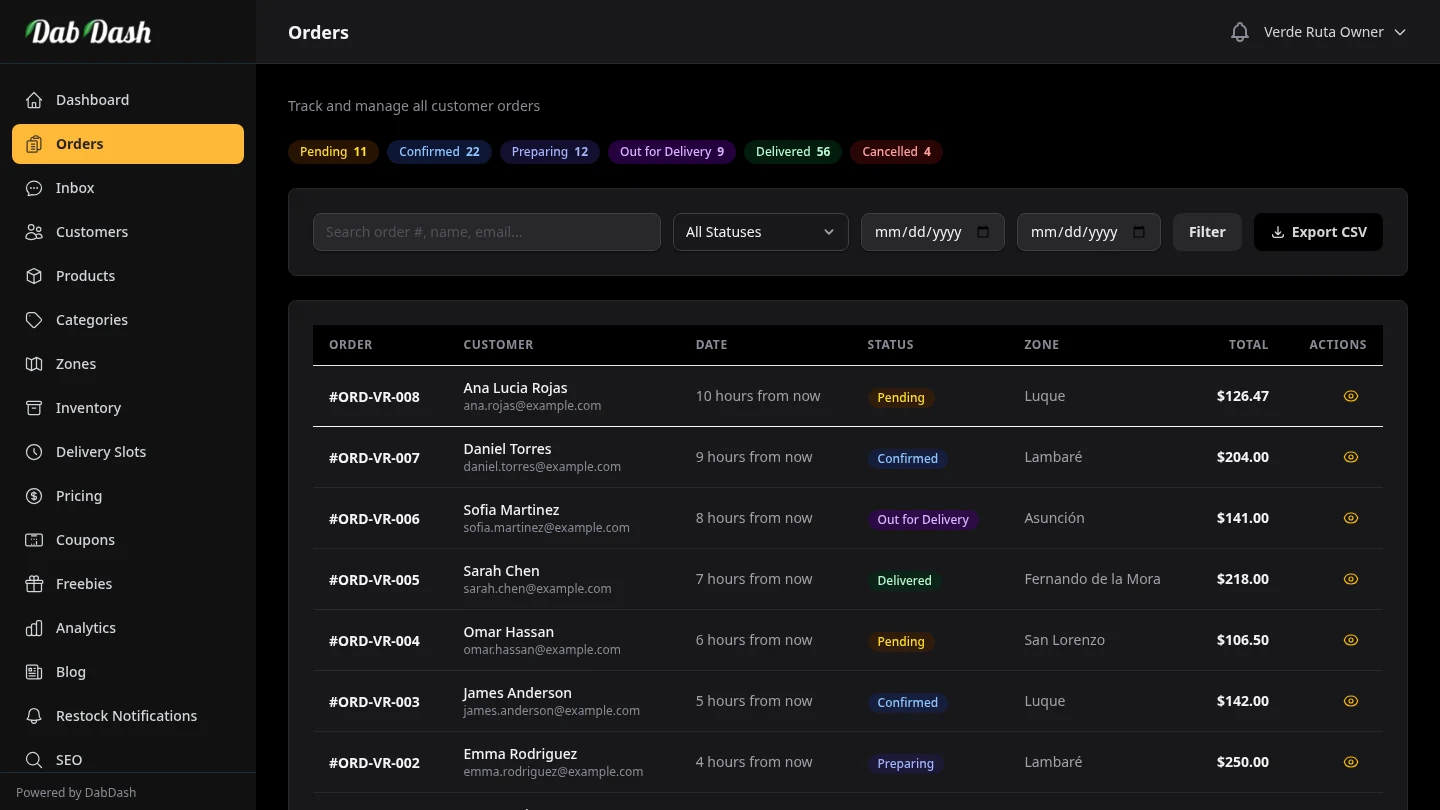
Dark mode — your metrics, your data. Revenue, order volume, and customer insights that belong to you permanently.
Light mode — a clear picture of your business, no platform taking a percentage of the relationship.
5. The Fake Review Problem and Platform Trust
Weedmaps has a well-documented history of review integrity issues. Independent investigations have found that more than 60% of dispensary reviews on the platform may not be genuine, based on analysis showing that large percentages of reviews for groups of businesses originated from the same IP addresses. Dispensaries have also been documented offering discounts in exchange for positive reviews, further distorting the signal.
For a business that depends on consumer trust — especially in a regulated industry where reputation is everything — building your review profile on a platform with known credibility problems is a fragile strategy. Weedmaps has faced repeated scrutiny over this issue, and the platform’s ability to control it is structurally limited when their business model depends on keeping dispensaries listed and paying.
DabDash does not carry competitor listings, fake reviews, or sponsored placements that obscure your actual reputation. The customer relationship is direct: they order from you, you deliver, and the trust you build is between your business and your customer — not mediated by a third-party platform with its own competing interests.
6. Delivery-First vs. Directory-First
Weedmaps started as a directory — a Yelp for cannabis. Delivery was added later as a feature within an advertising and listing platform. That origin still shapes how it works: the primary product Weedmaps sells is visibility within Weedmaps, and delivery is just one of several things you can do once you’re visible there.
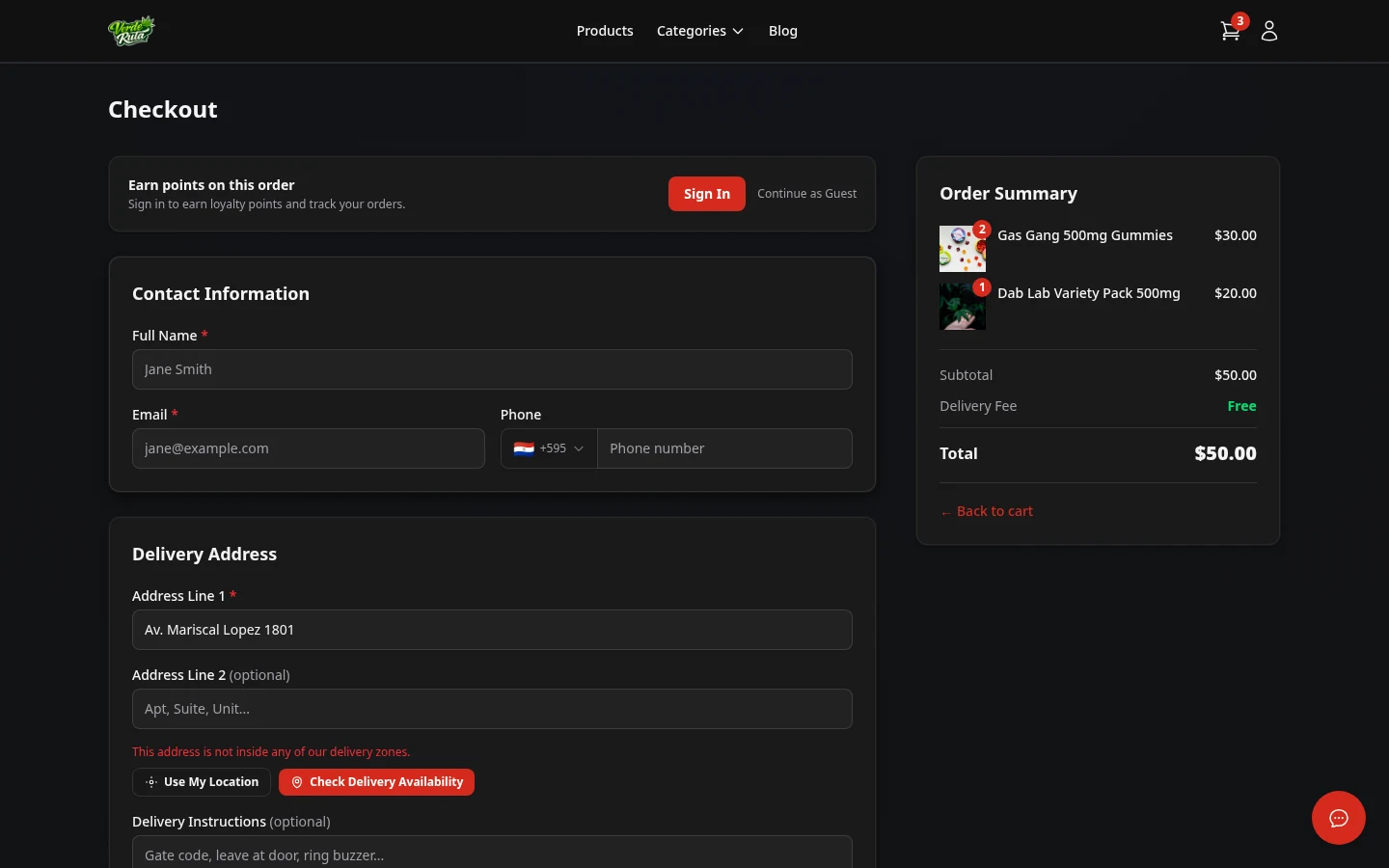
DabDash was built delivery-first from day one. The core workflow is: customer visits your store, delivery zone is checked automatically based on their address, they browse your menu, they check out with cash on delivery, your team gets a live order to fulfill. There is no directory layer, no marketplace logic, and no other shops competing for attention on your page.
For cannabis retailers focused on delivery — not retail walk-ins, not a hybrid POS setup, not a multi-channel aggregator — that focused architecture matters. DabDash does one thing very well rather than many things adequately.
Weedmaps: Directory + advertising platform. Delivery is a feature.
A DabDash subscription gives you a branded storefront on your own subdomain (yourshop.dabdash.com), with the option to point a custom domain. Your products, categories, pricing structures, and promotions are all managed from a clean vendor dashboard. Delivery zones are defined by you, and customers’ delivery coverage is checked automatically — they never have to guess whether you deliver to them.
Built-in SEO tools give every product page a crawlable URL, editable meta title and description, and structured data for rich search results. Orders arrive in real time, and your full customer list — names, contact details, order history — is always exportable and always yours.
There are no listing fees, no bidding wars, no ads sold to your competitors on your page, and no platform taking a percentage of the customer relationship. You pay one flat subscription and you own the result.
DabDash gives you a complete live order dashboard — every order, every customer, every status update — without sharing your operations data with a competing platform.
The Bottom Line
Weedmaps has genuine scale. Millions of consumers use it. If your only goal is short-term visibility in a competitive market and you have the budget for premium placement, it can generate orders. That much is fair to acknowledge.
But every order through Weedmaps is a customer you don’t own, a Google ranking that goes to weedmaps.com instead of your domain, and a monthly fee that builds someone else’s platform. The moment you stop paying, everything stops.
DabDash is for operators who want to stop renting and start owning. Your storefront, your data, your Google rankings, your repeat customers. The listing tax is optional — and once you stop paying it, you might be surprised how much of your growth was being captured by the platform, not by your business.
Ready to own your storefront?Start your free trial on DabDash and see what delivery management looks like when you’re building your brand, not someone else’s.
FAQ
Common Questions About DabDash vs. Weedmaps: Stop Paying a Listing Tax on Your Own Customers
Quick answers to the most common follow up questions readers search after exploring this topic.
How much does Weedmaps charge dispensaries per month?
Weedmaps offers a free basic listing that shows only your name and hours, but a meaningful presence with a product menu and reviews starts around $300 to $500 per month. Featured placements in competitive markets typically run $5,000 to $30,000 per month, and top positions in major metro markets have been reported at over $80,000 per month through their competitive bidding system.
Do dispensaries own their customer data on Weedmaps?
No. When a customer orders through Weedmaps, the customer relationship and the underlying data belong to Weedmaps. Dispensaries receive aggregate analytics (impressions, traffic, clicks) but do not get access to exportable customer email lists or raw purchase data. Weedmaps' terms also grant them a perpetual, royalty-free licence to use and derive works from content on the platform.
Does Weedmaps hurt my own website's SEO?
Yes, in two ways. First, when your products appear on Weedmaps, any SEO authority those listings generate accrues to weedmaps.com, not to your domain. Second, if you embed your Weedmaps menu via iframe on your own website, Google cannot read that content, so your own domain earns no credit for the products you sell. DabDash serves your storefront as crawlable HTML on your subdomain so every product contributes to your own search rankings.
What happens to my Weedmaps visibility if I stop paying?
Your listing reverts to a free, unpromoted status. Any featured placement, menu prominence, or top-of-page ranking you paid for disappears immediately. Reviews and basic listing information remain, but the visibility and order volume that came from premium placement stop the day your subscription lapses. None of the spend converts into a lasting owned asset.
Is DabDash a Weedmaps alternative for cannabis delivery operators?
Yes. DabDash is a dedicated cannabis delivery management platform with a fully SEO-indexed storefront on your own subdomain, complete customer data ownership, built-in delivery zone management, and cash-on-delivery checkout. Unlike Weedmaps, DabDash is not a marketplace or directory. There are no competitor listings on your page, no listing fees, and no platform taking ownership of your customer relationships.
Does DabDash appear on Google search results?
Every DabDash storefront is server-rendered with unique URLs per product, editable meta titles and descriptions, and structured data markup. Google indexes your products as content on your domain, not on a third-party marketplace. This means product searches in your delivery area can lead directly to your store rather than a Weedmaps page listing you alongside competitors.
What are the main criticisms of Weedmaps from dispensary owners?
Common criticisms include: escalating monthly costs with no residual value when you stop paying; loss of customer data and direct customer relationships; SEO authority going to Weedmaps rather than the dispensary's own website; a competitive bidding model where only the highest bidder gets top placement; and well-documented concerns about fake or manipulated reviews on the platform.
Can I use DabDash if I currently list on Weedmaps?
Yes. DabDash is a standalone delivery management platform, not a directory listing. You can run DabDash as your primary storefront and order channel independently of any directory listing you maintain elsewhere. Many operators use DabDash to build their owned customer base and search presence while evaluating what directory spend actually returns in measurable orders.